

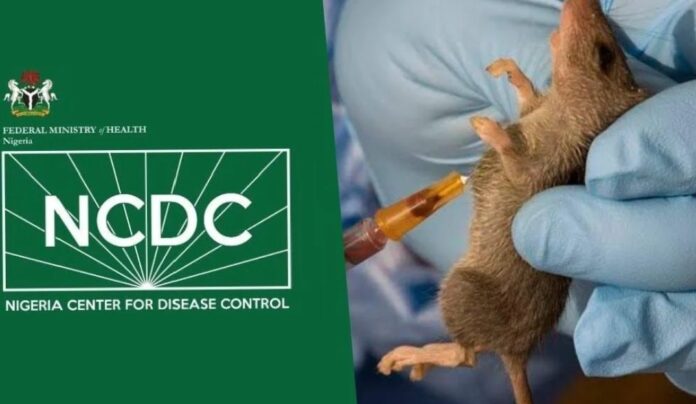
Nigeria has recorded 263 deaths from Lassa fever, with confirmed infections rising to 1,115 across 24 states and 119 Local Government Areas (LGAs), according to the Nigeria Centre for Disease Control and Prevention (NCDC).
The figures were contained in the agency’s situation report for epidemiological week 38, covering September 14 to 20, 2026. The report puts the case fatality rate at 23.6 per cent, compared with 18.5 per cent recorded during the corresponding period in 2025.
Despite the cumulative toll, the latest weekly figures showed a decline in new infections. Nigeria recorded 11 confirmed cases in week 38, down from 17 in the preceding week. Four new deaths were reported during the period, while the latest infections were identified in Ondo, Edo and Taraba states.
The NCDC report identified Bauchi, Ondo, Taraba, Benue and Edo as the five states accounting for 87 per cent of confirmed cases. People aged between 21 and 30 remained the most affected age group, according to the agency’s findings.
The figures have renewed concerns about the continued spread of the viral disease and the need for early diagnosis, prompt treatment and stronger preventive measures. Lassa fever can cause severe illness, and delayed medical attention may increase the risk of complications.
The NCDC has urged Nigerians to maintain clean surroundings, store food in tightly covered, rodent-proof containers, dispose of waste properly and prevent rodents from entering homes. People experiencing symptoms such as fever, weakness or headache are advised to seek medical care promptly rather than rely on self-medication.
Lassa fever is an acute viral illness primarily transmitted to humans through food or household items contaminated by infected Mastomys rats. Human-to-human transmission can also occur, particularly in healthcare settings without adequate infection-prevention measures.
The NCDC continues to monitor infections nationwide and coordinate responses with state health authorities as Nigeria works to contain the outbreak.